

In a world increasingly conscious of its ecological footprint, recycling has emerged as a cornerstone of environmental stewardship. Yet, beneath the veneer of blue bins and designated drop-off points lies a more complex and often disheartening reality. The conventional wisdom that all items placed in a recycling bin will find a new purpose is, for many materials, a misconception. While the intent to recycle is laudable, the actual journey from discarded item to recycled product is fraught with challenges, revealing a significant gap between aspiration and execution.
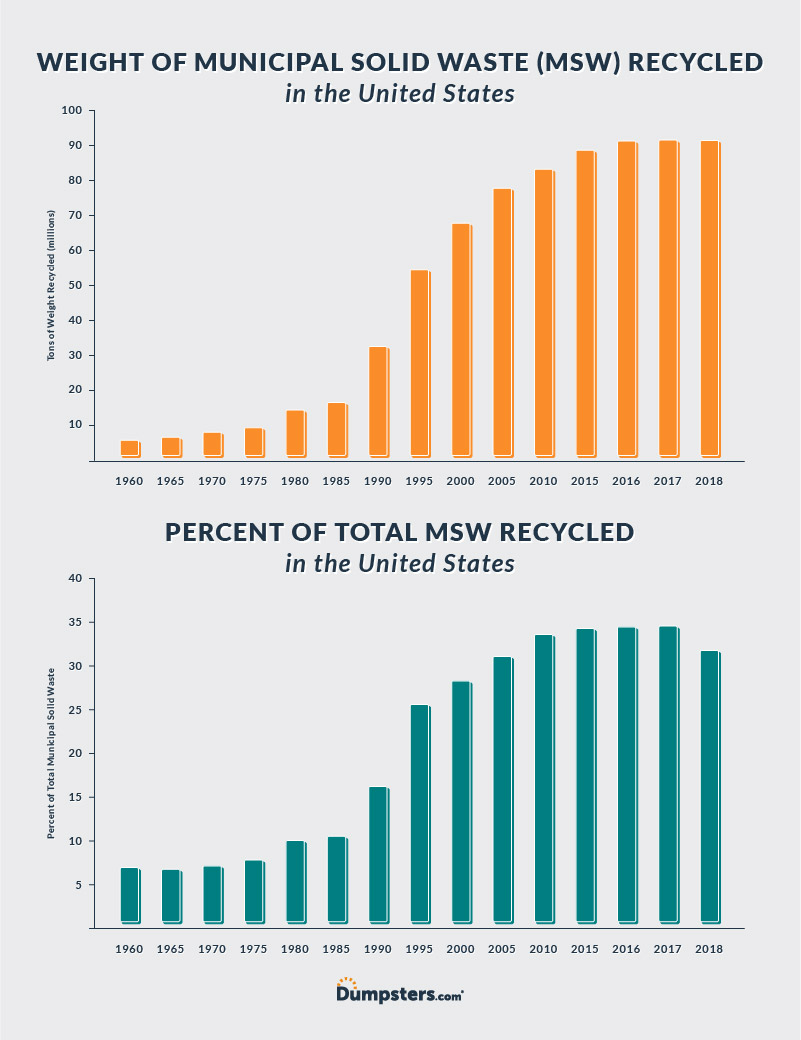
Consider the broader landscape: statistics indicate that approximately 35 percent of all municipal solid waste in the United States is recycled. This figure, while seemingly substantial, masks considerable variations across different material types. Paper and cardboard fare relatively well, with around 68 percent successfully reprocessed, thanks to established infrastructure and robust markets. Glass, similarly, demonstrates a more promising trajectory, with estimates suggesting about 3.1 million tons recycled in a recent year, making it far more amenable to repeated use than many other substances. Metals, particularly aluminum, also enjoy high recycling rates due to their intrinsic value and infinite recyclability.
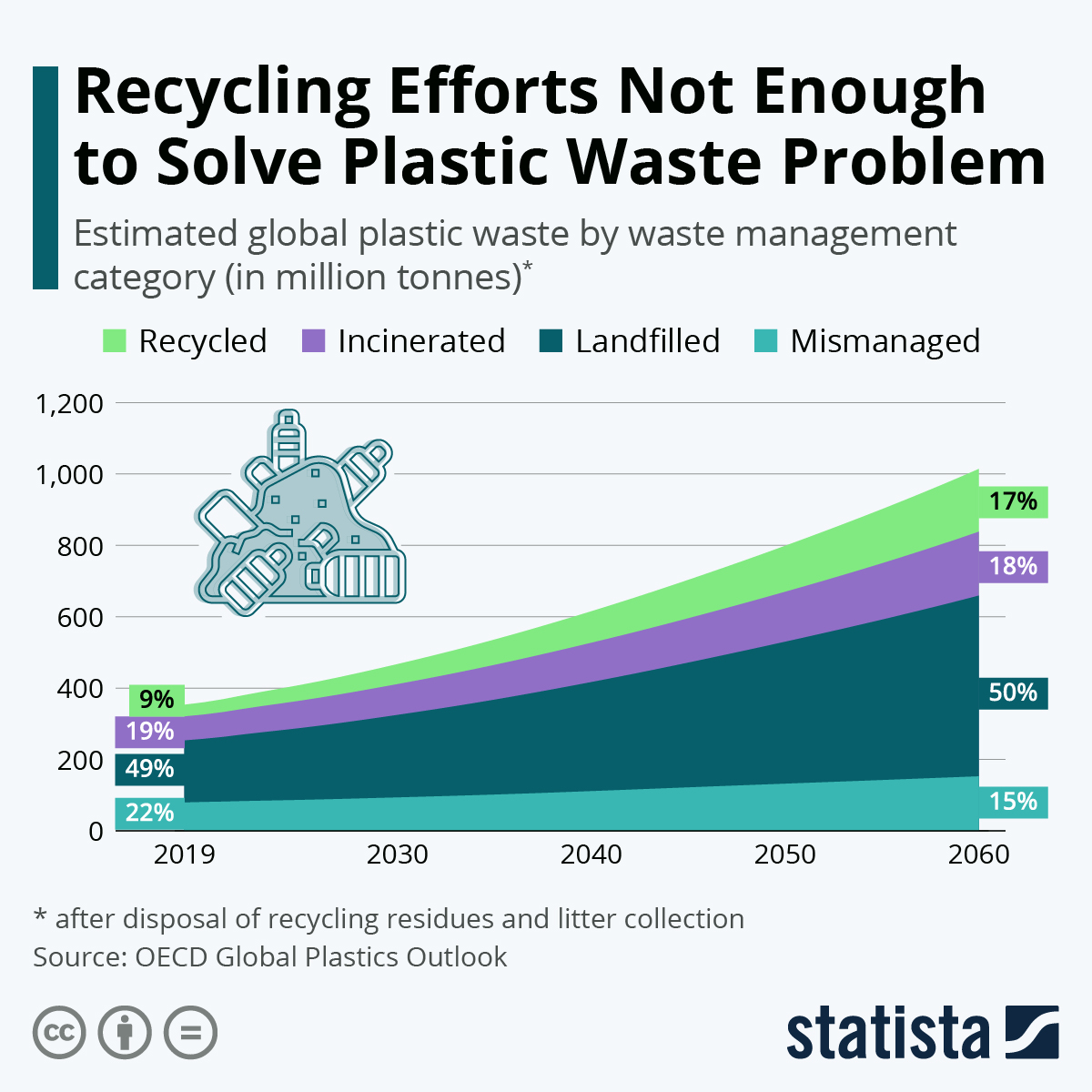
However, the narrative shifts dramatically when it comes to plastics. This ubiquitous material, celebrated for its versatility and durability, proves to be recycling's greatest conundrum. Reports suggest a startlingly low figure: as little as 8 to 9 percent of discarded plastics are actually recycled. The vast majority — an astonishing 91 percent — ends up in landfills, incinerators, or polluting natural environments. The reasons for this inefficiency are multifaceted, including the sheer variety of plastic polymers, contamination from food and other non-recyclable items, and the economic viability of processing lower-grade plastics (numbers 4 through 7). The global market for plastic waste has also seen significant shifts, with many countries, including the United States, struggling to manage their own plastic refuse without relying on international markets that are increasingly unwilling to accept contaminated or low-value materials.

The implications of these low recycling rates are profound and far-reaching. The failure to effectively recycle contributes directly to increased landfill burden, resource depletion, and elevated greenhouse gas emissions from the production of virgin materials. It exacerbates plastic pollution in oceans and ecosystems, threatening wildlife and human health. The efficacy of recycling, therefore, matters immensely. It speaks to the integrity of our environmental commitments and the urgent need for systemic improvements. Enhanced consumer education on proper sorting, investments in advanced recycling technologies, and policies that promote product design for recyclability are not merely desirable; they are imperative for moving beyond the recycling myth towards a truly circular economy.