
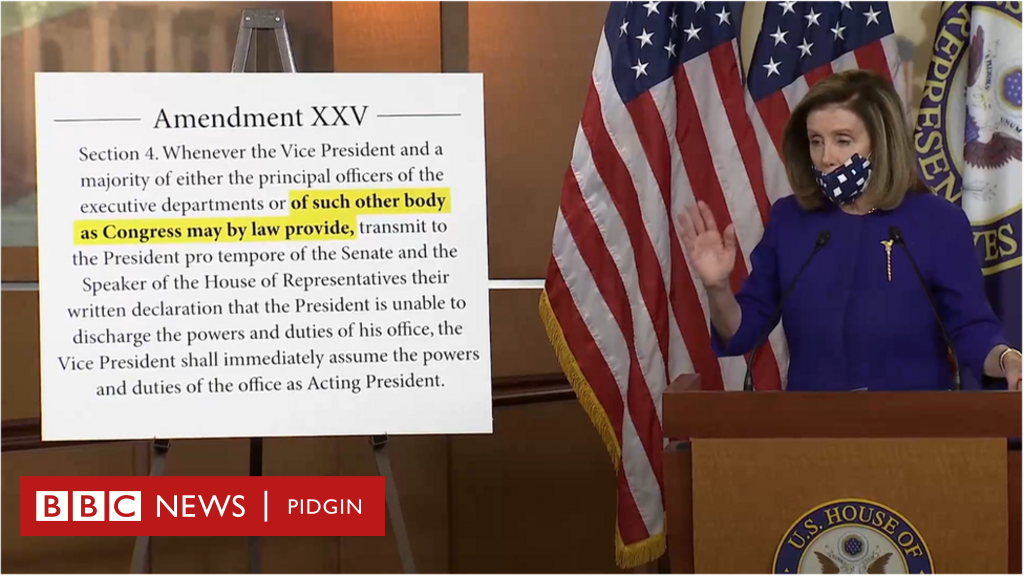
In the annals of American constitutional law, few provisions carry the weight and dramatic potential of the 25th Amendment. Ratified in 1967, in the aftermath of President John F. Kennedy's assassination and concerns over presidential disability, this amendment was designed to clarify and formalize procedures for presidential succession and the temporary or permanent transfer of power. It addresses scenarios ranging from a president undergoing surgery to more profound incapacities, aiming to ensure governmental continuity and stability. While Sections 1, 2, and 3 largely deal with voluntary transfers of power or filling a Vice Presidential vacancy, it is Section 4 that stands as a potent, rarely discussed safeguard: the involuntary removal of a sitting president.

Section 4 of the 25th Amendment establishes a meticulous and deliberately high-threshold procedure for addressing a president's inability to govern without their consent. It stipulates that if the Vice President and a majority of the principal officers of the executive departments (the Cabinet) transmit to the President pro tempore of the Senate and the Speaker of the House their written declaration that the President is unable to discharge the powers and duties of his office, the Vice President immediately assumes the powers and duties of the office as Acting President. Should the President dispute this declaration, they can transmit their own written declaration that no inability exists. Congress then has 21 days to decide the issue, requiring a two-thirds vote of both houses to affirm the President's inability to serve and effectively remove them from power. This intricate process underscores the framers' intent to create a checks-and-balances system that is difficult to activate, thereby protecting against frivolous or politically motivated attempts at removal.
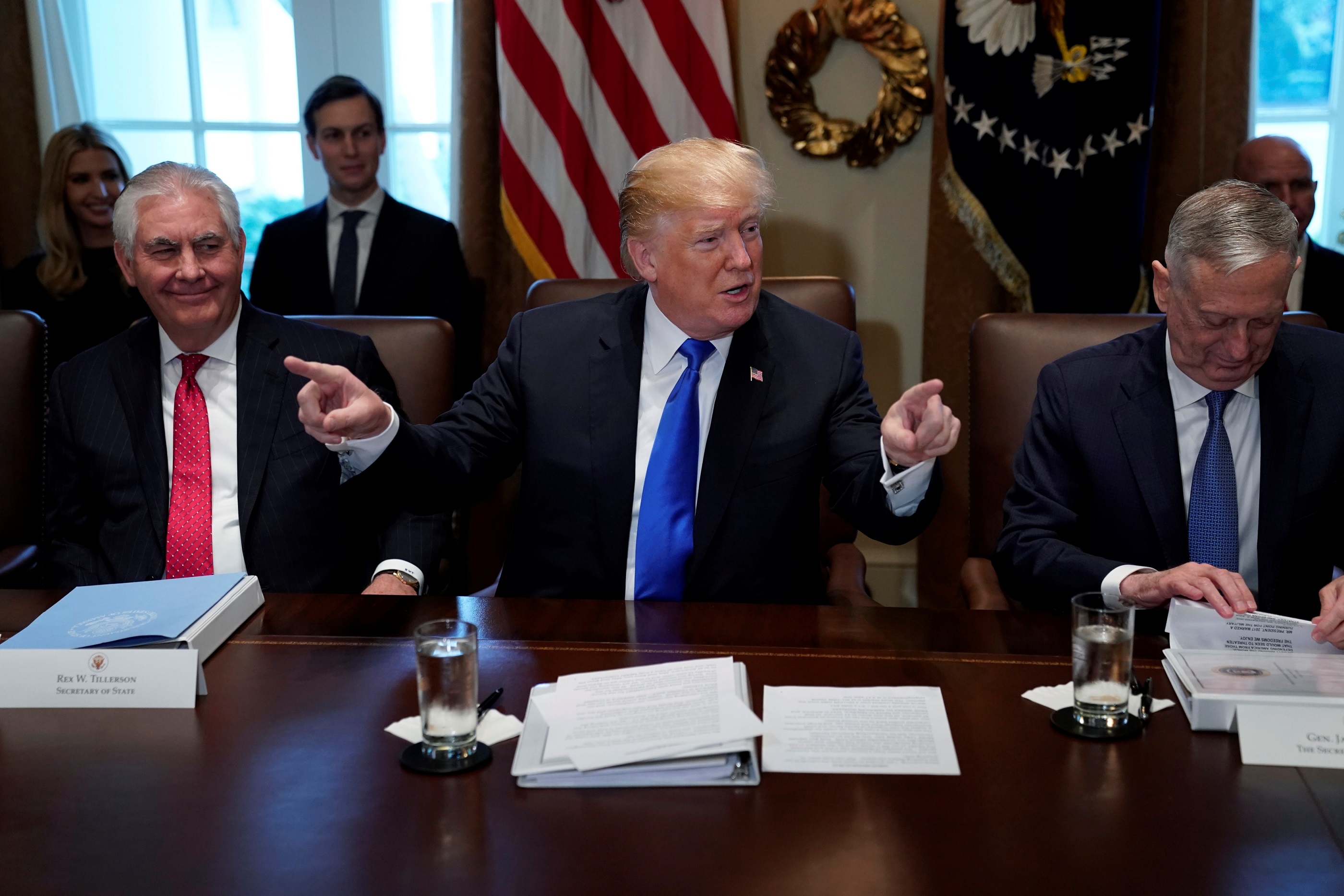
The gravity of Section 4 came into sharp focus during the tumultuous final year of Donald Trump's presidency, culminating in the events of January 6th, 2021. Following the breach of the U.S. Capitol by a mob of his supporters, instigated by the President's rhetoric, a chorus of voices from across the political spectrum began openly discussing the invocation of the 25th Amendment. Concerns centered on President Trump's perceived unwillingness to condemn the violence swiftly and unequivocally, and his broader conduct leading up to the insurrection. Prominent Democrats, some Republicans, and even members of Trump's own administration reportedly considered the measure. Calls to Vice President Mike Pence urged him to initiate the process with the Cabinet. However, despite the intense public discourse and internal deliberations, Vice President Pence ultimately declined to invoke Section 4, citing concerns about setting a dangerous precedent and the remaining days of the administration. This decision highlighted the immense political and constitutional hurdles inherent in utilizing such a powerful, and essentially unprecedented, presidential removal mechanism.

The discussions surrounding the 25th Amendment during the Trump administration, particularly in the wake of January 6th, illuminated the amendment's profound significance and the immense pressures associated with its potential use. It reinforced the constitutional framework's resilience and its capacity to confront extraordinary challenges to executive stability. While never formally enacted for involuntary removal, the public debate served as a vivid reminder of the amendment's role as a critical, albeit rarely considered, constitutional failsafe. It underscores a fundamental tenet of American governance: even the highest office is subject to mechanisms designed to ensure the continuity and integrity of the republic, reflecting a persistent commitment to orderly transitions and responsible leadership.