

The American presidency, an office of immense power and profound responsibility, is buttressed by a constitution designed with both foresight and flexibility. Among its critical safeguards is the 25th Amendment, a provision often misunderstood and rarely invoked, yet fundamental to ensuring the stability of leadership in times of crisis. Ratified in 1967, in the aftermath of John F. Kennedy's assassination and concerns over presidential disability, it clarifies the process of presidential succession and addresses scenarios where a president becomes unable to perform their duties.
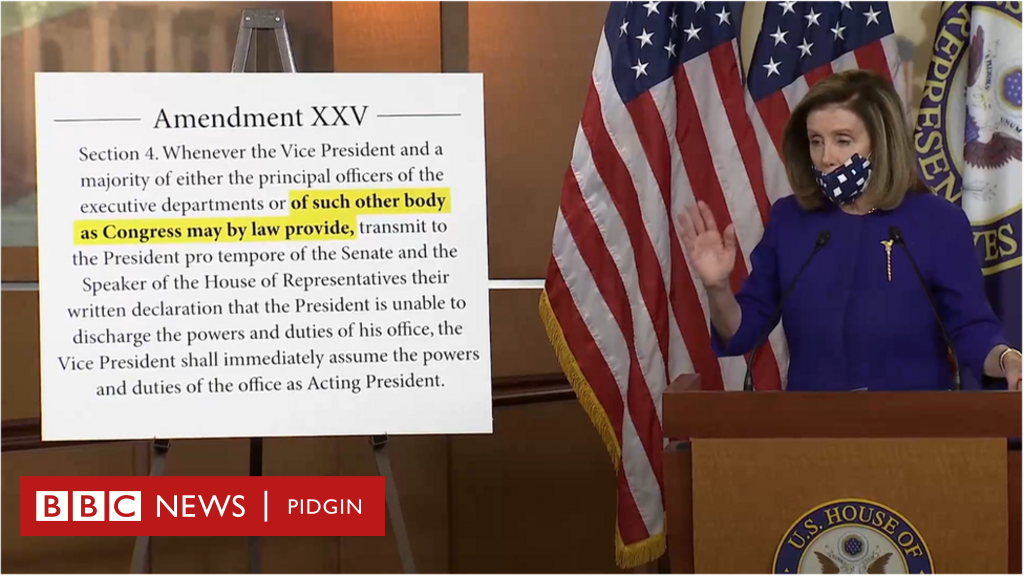
At its core, the 25th Amendment addresses four specific contingencies: presidential vacancy (Section 1), vice presidential vacancy (Section 2), presidential declaration of inability (Section 3), and, most controversially, involuntary presidential disability (Section 4). It is Section 4 that captures public attention when questions of a president's fitness arise. This section outlines a stringent process: the Vice President and a majority of the Cabinet must transmit a written declaration to the President Pro Tempore of the Senate and the Speaker of the House of Representatives, stating that the President is unable to discharge the powers and duties of their office. Upon receipt, the Vice President immediately assumes the powers and duties as Acting President. The threshold for such an action is deliberately high, designed to protect the executive from politically motivated challenges.
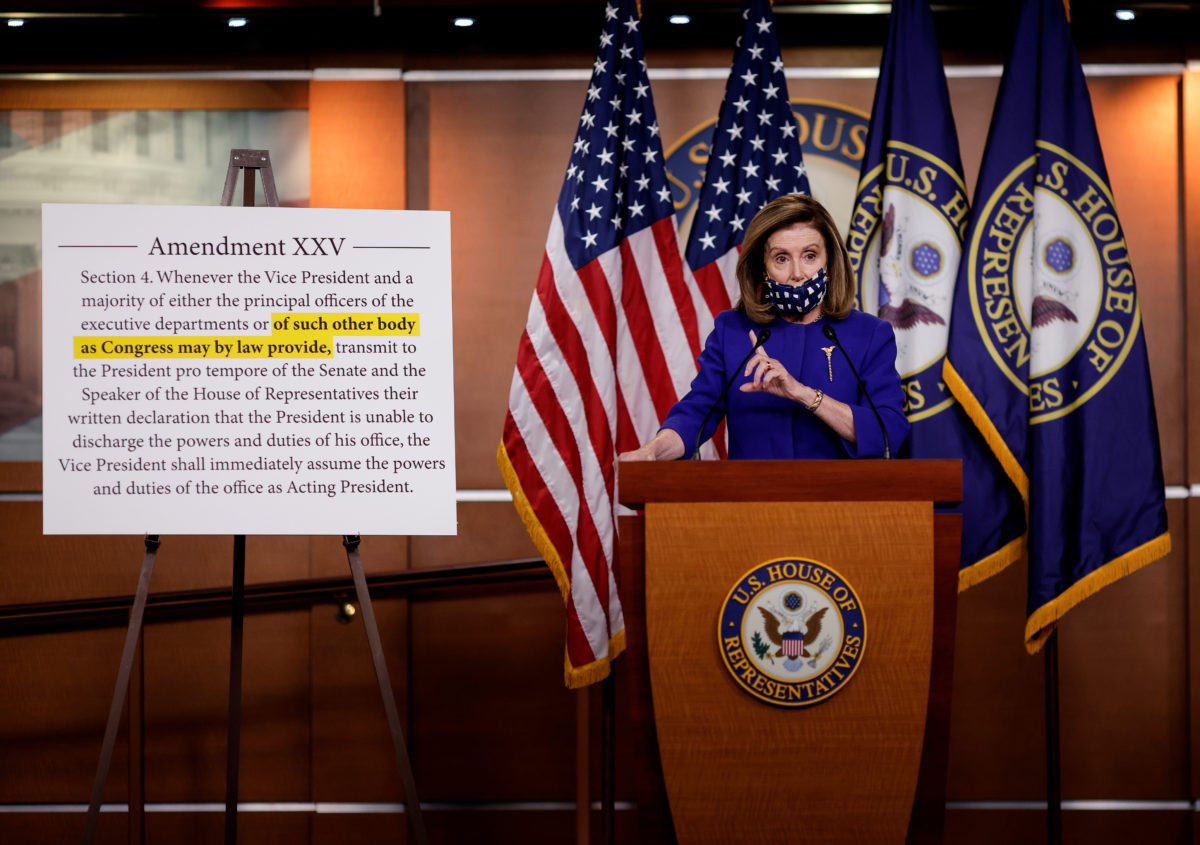
During Donald Trump's tenure, public discourse frequently turned to the 25th Amendment, particularly in moments of significant political tension or controversy. Following the events of January 6, 2021, when a mob breached the U.S. Capitol, numerous lawmakers and public figures openly called for its invocation. Proponents argued that the President's actions and statements demonstrated an inability to uphold his oath of office and ensure the peaceful transfer of power. However, Vice President Mike Pence ultimately declined to initiate the process, citing concerns about setting a dangerous precedent and believing it was not in the nation's best interest. Other instances, such as comments regarding the military or mental fitness, also prompted discussions about the amendment's applicability, underscoring the constant tension between perceived executive stability and the constitutional mechanisms for its maintenance.

The 25th Amendment stands as a testament to the framers' understanding that even the highest office must have a clear path for succession and removal under specific, dire circumstances. While its involuntary application remains an extraordinary measure, primarily serving as a constitutional failsafe, its very existence acts as a crucial check on executive power. It reinforces the principle that the office of the President is a public trust, requiring consistent capacity and adherence to duty, even if its ultimate invocation is a constitutional last resort rather than a political strategy.