

In the intricate landscape of contemporary American politics, few initiatives have generated as much discussion and scrutiny as Project 2025. Conceived by a coalition of conservative organizations, most notably the Heritage Foundation, this ambitious undertaking is not merely a policy paper; it is a meticulously crafted blueprint, hundreds of pages strong, designed to facilitate a rapid and expansive transformation of the federal government should a Republican administration take power. Its stated aim is to prepare a conservative presidential candidate for a swift and decisive implementation of their agenda, outlining specific policies, personnel recommendations, and legal strategies intended to dismantle the administrative state and reassert presidential authority.
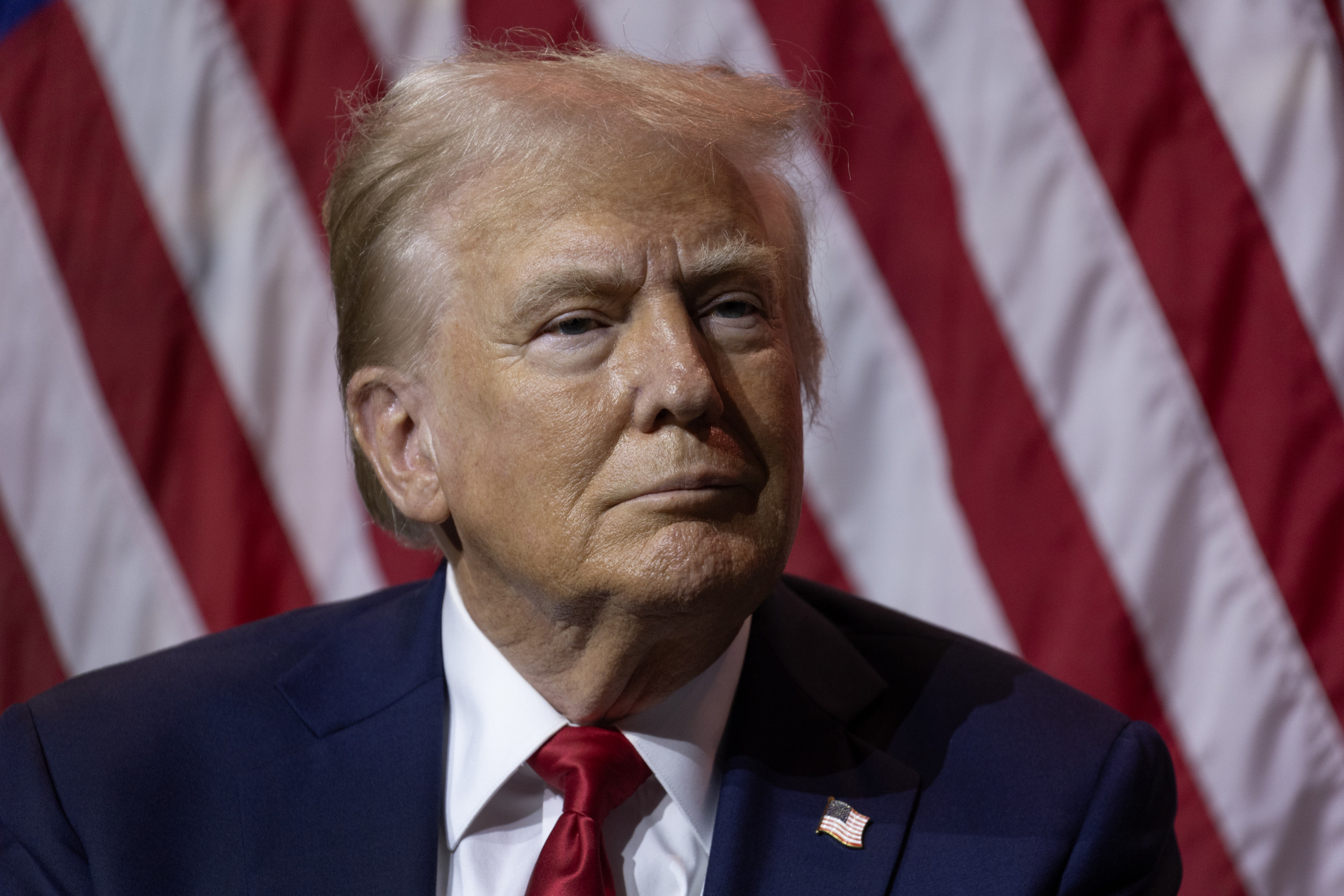
At the same time, former President Donald Trump has articulated his own vision for a potential second term through 'Agenda47,' a series of policy proposals and campaign promises. While Agenda47 is presented as a distinct platform, a closer examination reveals a compelling confluence of objectives with Project 2025. Both frameworks advocate for a substantial recalibration of the federal bureaucracy, seeking to empower the executive branch and rein in agencies perceived as overreaching. Areas like deregulation, energy policy, and national security frequently feature similar rhetorical and substantive approaches across both documents. This alignment suggests not a direct endorsement, but rather a shared ideological foundation and a common understanding of the reforms deemed necessary for conservative governance.

However, the relationship between these two influential frameworks is nuanced. Trump himself has, on occasion, maintained a public distance from Project 2025, emphasizing that Agenda47 represents his personal policy priorities. This distinction is understandable, given the sheer scale and prescriptive nature of Project 2025, which delves into granular details far beyond the scope of a typical campaign manifesto. Agenda47, by contrast, functions more as a broad strokes declaration of intent, a vision for a renewed America. Yet, the conceptual overlaps are undeniable. Many of the systemic changes proposed by Project 2025 – particularly those concerning the expansion of presidential power through the 'Schedule F' civil service reclassification and the aggressive use of executive orders – resonate with actions taken during Trump's first term and the policy directions outlined in Agenda47. The differences often lie in articulation and scale, rather than fundamental disagreement.
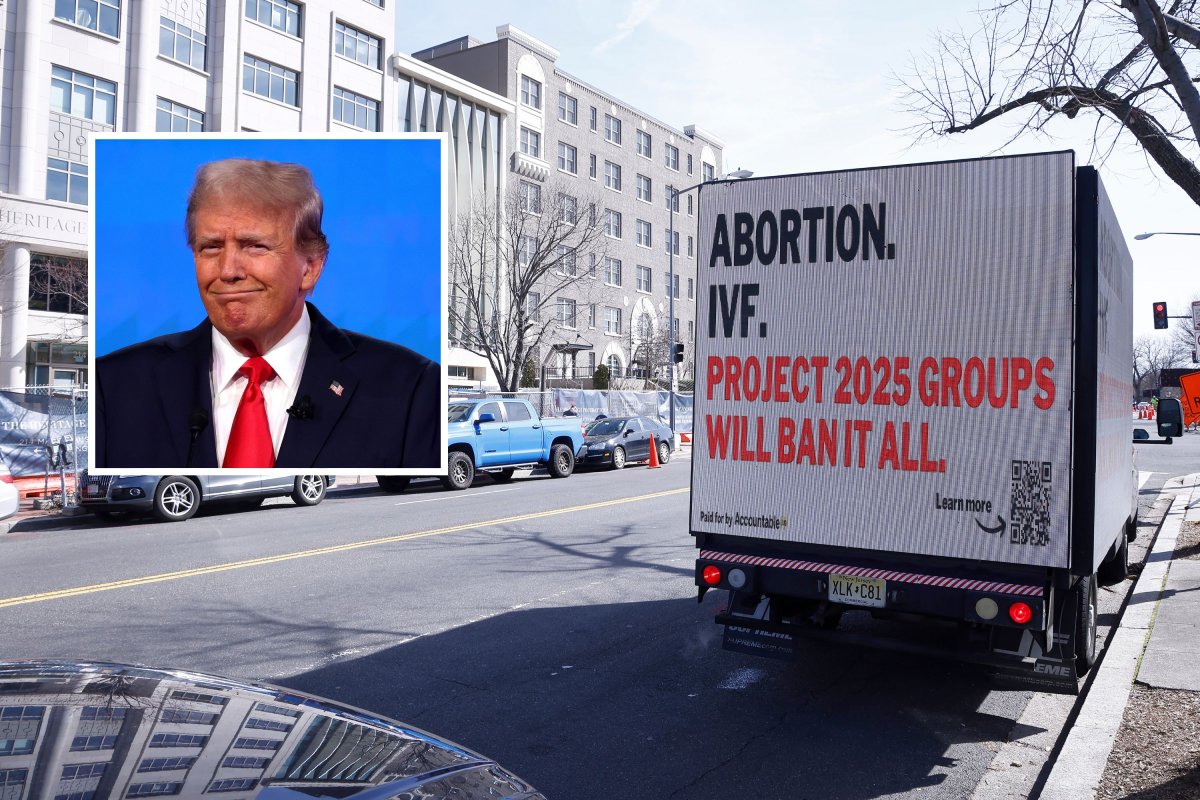
The ongoing dialogue surrounding Project 2025 and its parallels with Donald Trump's Agenda47 underscores a significant moment in the evolution of conservative political strategy. It reflects a concerted effort to move beyond aspirational rhetoric towards a detailed, actionable plan for governance. The implications of this alignment are profound, suggesting a potential future administration poised for a dramatic reshaping of federal policy, executive branch operations, and the balance of power. Understanding the intricate connections between these documents is paramount for discerning the future trajectory of American governance and the ideological forces driving it.