
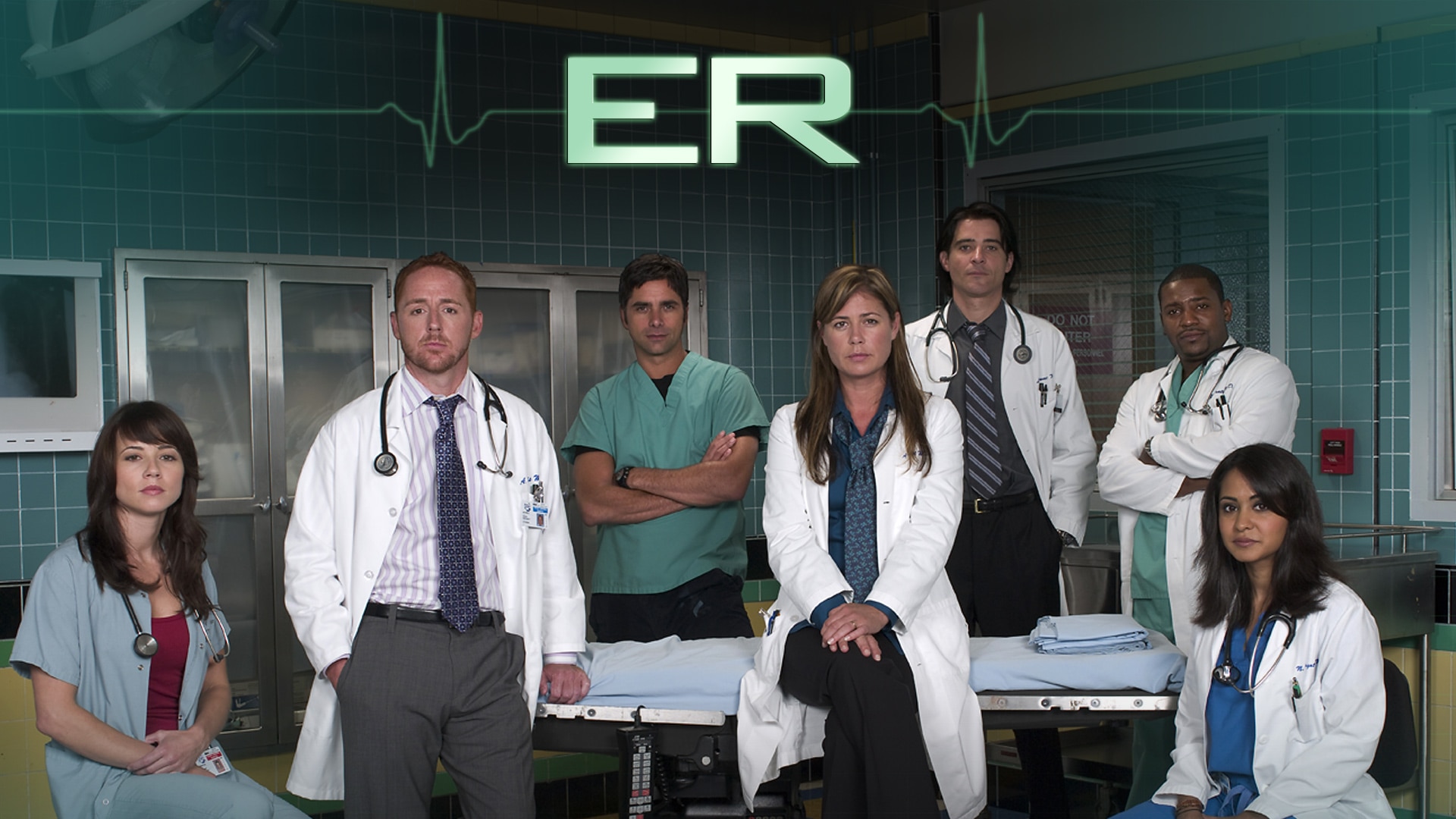
From its groundbreaking premiere in the fall of 1994, "ER" captivated audiences with its raw, fast-paced portrayal of life in an urban emergency room. The brainchild of novelist Michael Crichton, with Steven Spielberg serving as an executive producer, the series redefined the medical drama genre. It plunged viewers into the chaotic, life-and-death stakes faced by doctors and nurses at Chicago's fictional County General Hospital, setting a new standard for realism and dramatic intensity. Its pilot, famously directed by Rod Holcomb and written by Crichton himself, immediately signaled a departure from the more sanitized medical narratives that preceded it, opting for a grittier, more authentic depiction of emergency medicine.
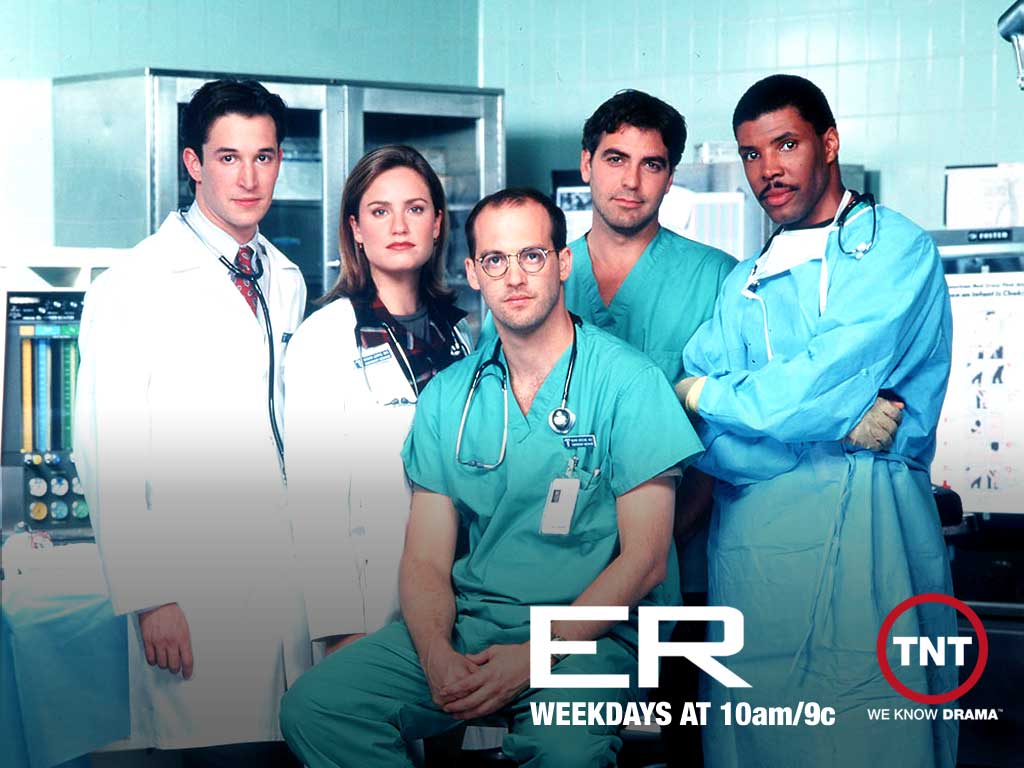
"ER" wasn't just a hit; it was a phenomenon. Running for a remarkable 15 seasons, the show maintained an impressive level of critical acclaim and consistent viewership throughout much of its run. It garnered 23 Primetime Emmy Awards, including the Outstanding Drama Series award in 1996, and became synonymous with watercooler conversation. Its innovative visual style, including fluid camera movements and intricate ensemble scenes, immersed viewers directly into the heart of the action, making every medical crisis feel immediate and personal. The series launched the careers of several actors, notably George Clooney, whose portrayal of Dr. Doug Ross became an instant cultural touchstone.
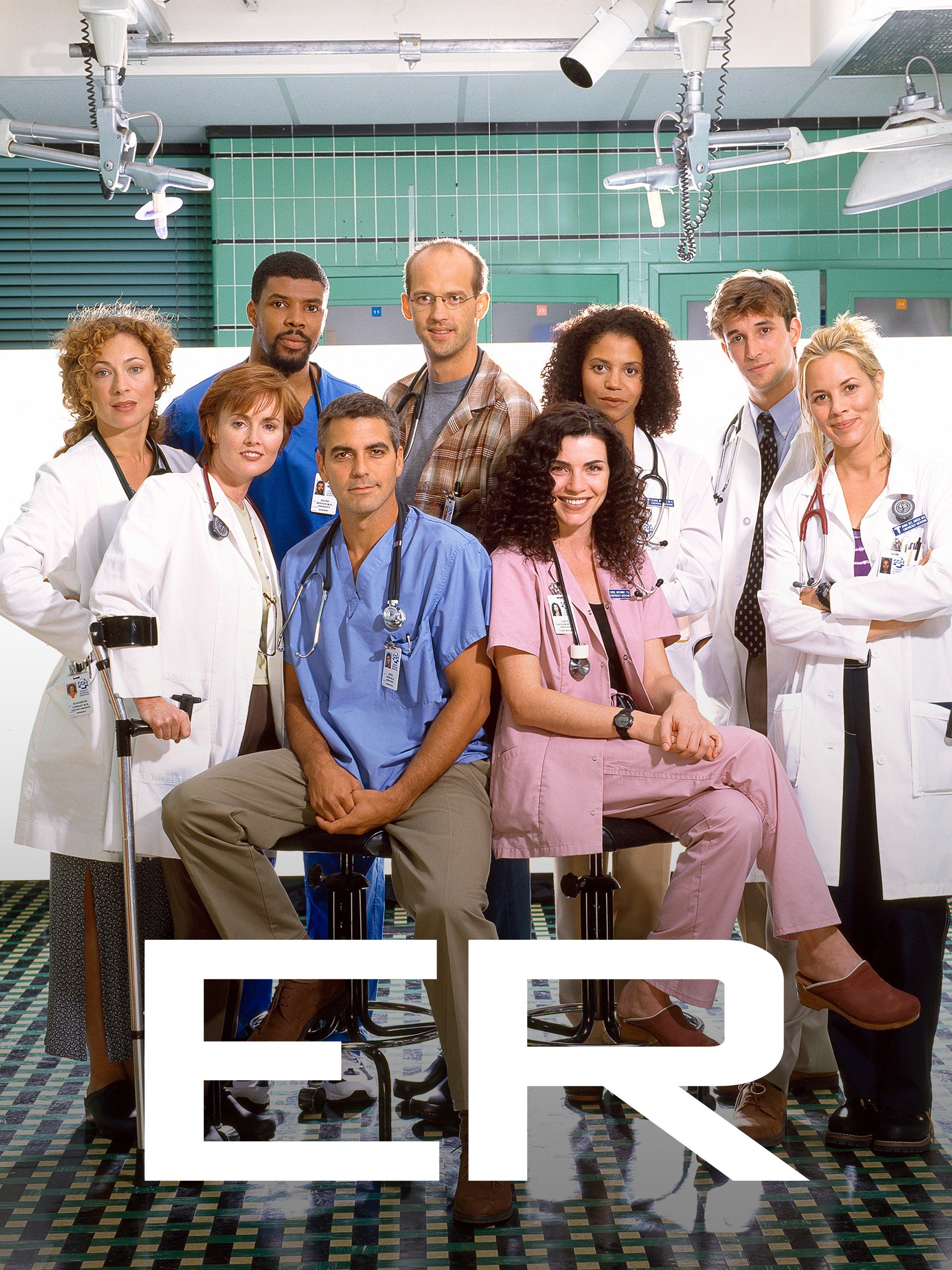
The longevity of "ER" is a testament to its compelling storytelling and the enduring appeal of its characters. Over 331 episodes, the series explored complex ethical dilemmas, personal struggles, and societal issues, all against the backdrop of a perpetually overburdened medical system. It navigated the departure and introduction of numerous beloved characters, constantly evolving while retaining its core identity. This ability to reinvent itself, coupled with a commitment to high production values and meticulous medical accuracy, allowed "ER" to remain relevant and engaging for over a decade and a half, outlasting many of its contemporaries and imitators.
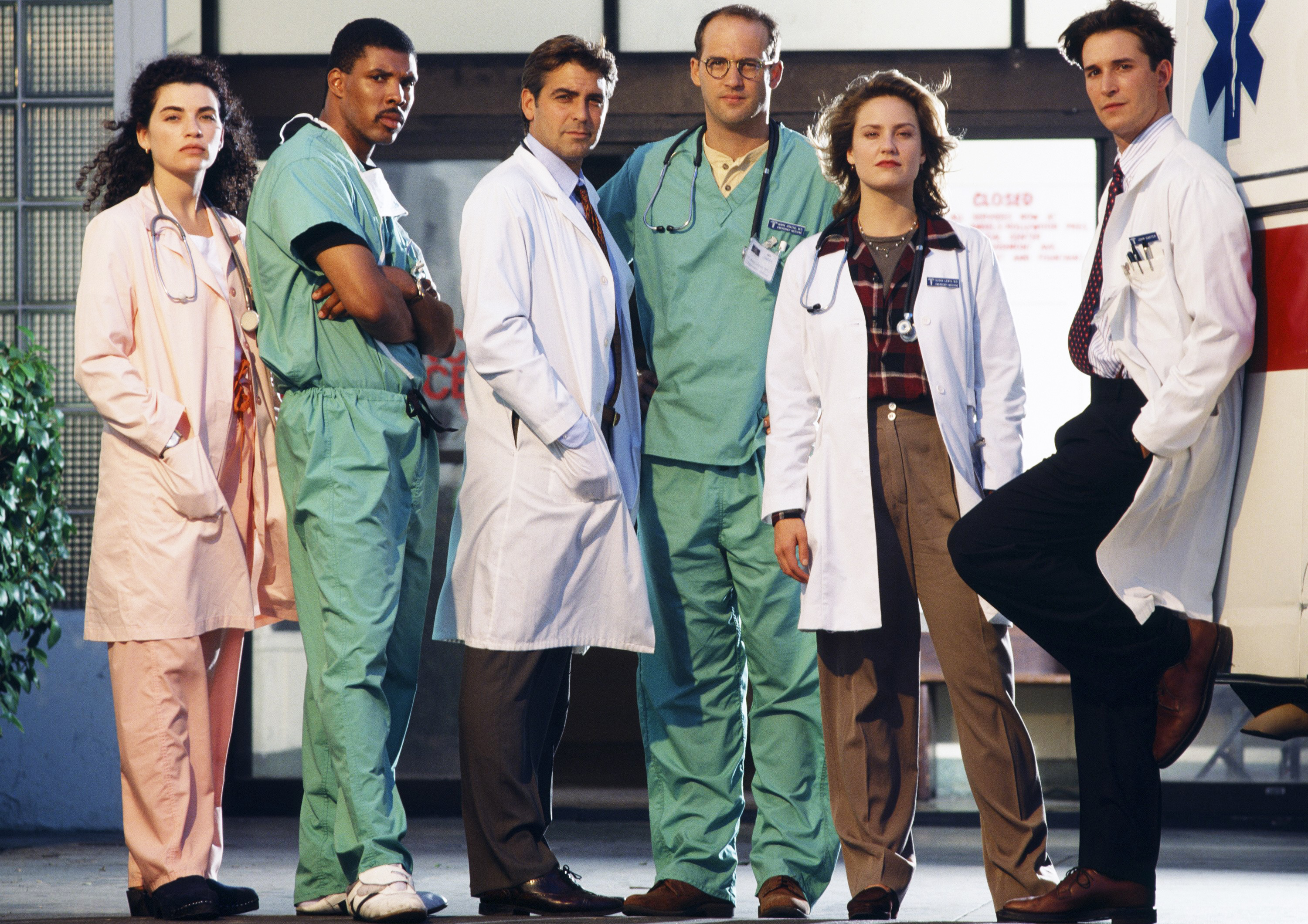
When "ER" concluded its storied run on April 2, 2009, it left an indelible mark on television history. Its influence can still be seen in countless medical dramas that followed, many of which owe a debt to its innovative format and commitment to authenticity. Beyond its entertainment value, "ER" offered a window into the demanding world of emergency medicine, fostering a deeper understanding and appreciation for the dedication of healthcare professionals. Its legacy is not just one of ratings success and awards, but of shaping an entire genre and demonstrating the power of serialized storytelling to illuminate the human condition under extreme pressure.