
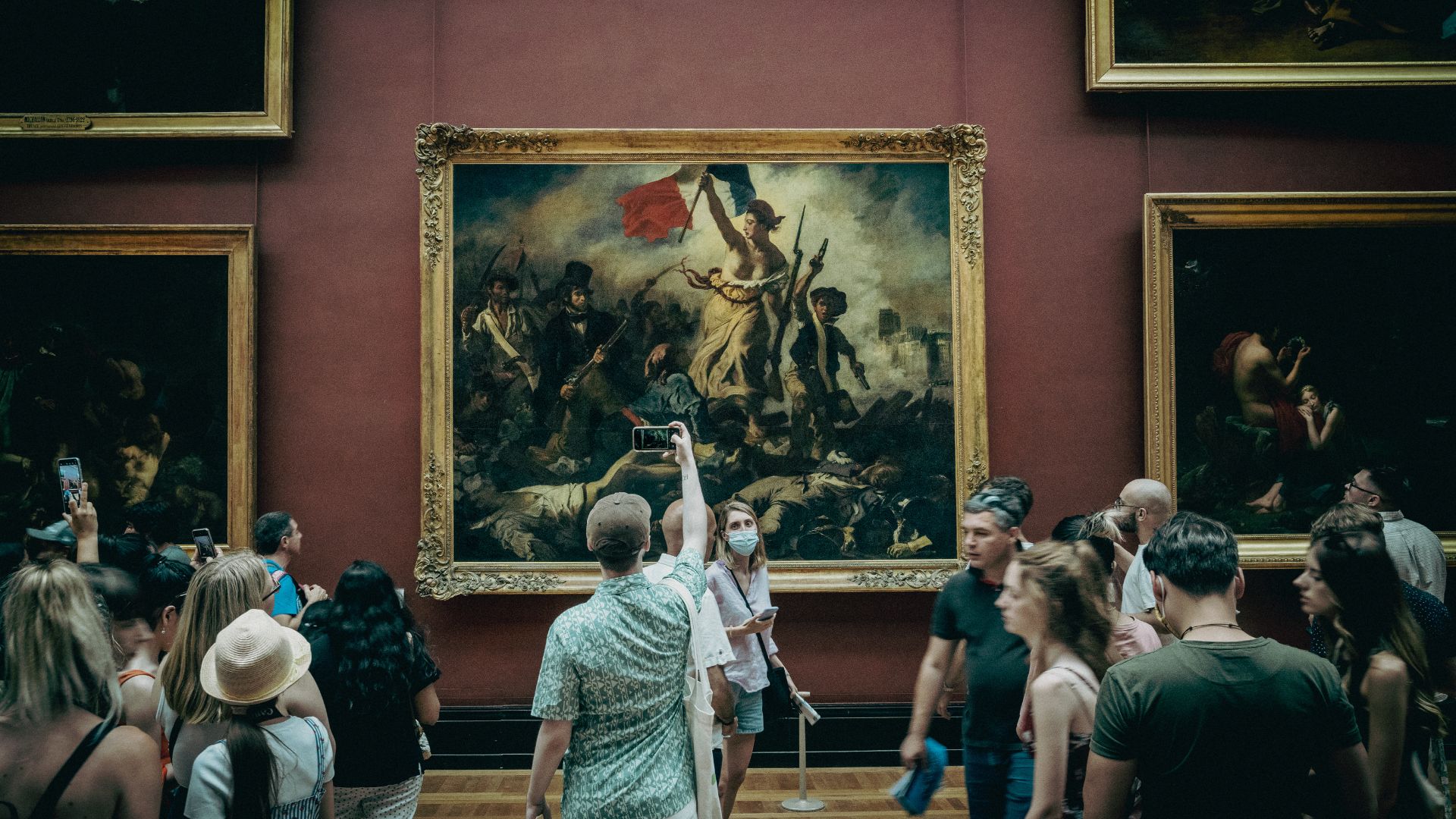
In an era saturated with digital reproductions, the true essence of art often remains elusive until experienced firsthand. There is an undeniable alchemy that occurs when standing before a monumental canvas, tracing the brushstrokes, or absorbing the sheer scale of a sculpture. This isn't merely about aesthetics; it’s about a direct engagement with history, a palpable connection to human ingenuity, and an understanding of cultural narratives that no screen can replicate. The texture of paint, the subtle interplay of light, and the sheer physical presence of these creations offer a sensory richness that transforms observation into a profound encounter. For the discerning individual, these are not just objects, but living testaments to creativity that whisper stories across centuries.
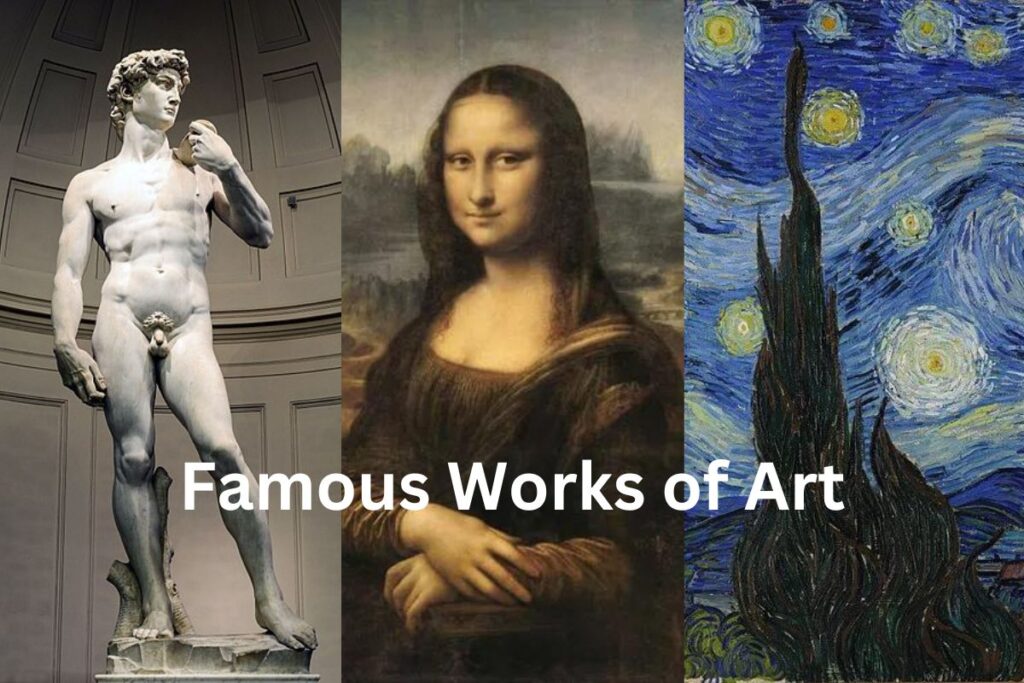
Among the constellation of artistic achievements, certain paintings stand as pivotal touchstones. Vincent van Gogh’s "The Starry Night," housed at the Museum of Modern Art in New York, is more than a swirling nocturnal landscape; it’s a vibrant testament to an artist's inner turmoil and fervent spirit, its impasto technique lending a kinetic energy that must be seen up close. Similarly, Leonardo da Vinci’s monumental "The Last Supper" in Milan, a fresco fragile with time, transcends its religious narrative to become a study in human emotion and compositional genius. The decaying pigments and vast scale impart a solemnity and power that resonate deeply, urging contemplation on human nature and faith. These works are not simply viewed; they are felt, their narratives unfolding with each shift in perspective.
Yet, the artistic journey extends beyond canvas and brush. The ancient Lascaux cave paintings in France, while the originals are no longer open to the public for preservation, offer a profound glimpse into humanity's earliest artistic expressions through meticulous reproductions. These Palaeolithic masterpieces, depicting bison, horses, and deer, illustrate an astonishing level of skill and symbolic thought from our ancestors. They are not merely drawings; they are a primal visual language, a window into the origins of human consciousness and our innate desire to create. Similarly, the powerful forms of Michelangelo's "David" in Florence or the awe-inspiring mosaics of Ravenna demonstrate the enduring power of sculpture and decorative arts to elevate the human spirit and define epochs. These are works that command respect, not just for their technical brilliance, but for their profound historical resonance.

Experiencing these masterpieces in person is an pilgrimage, a journey that enriches the soul and broadens one's understanding of the human condition. It’s an opportunity to witness the pinnacle of artistic achievement across diverse cultures and eras, to feel the weight of history in a single brushstroke or chiseled form. Each encounter leaves an indelible mark, fostering a deeper appreciation for the creative impulse that drives us. These are the moments that truly illuminate the power of art, reminding us of our shared heritage and the boundless capacity for beauty and expression.