

For years, the concept of an Exact Match Domain, or EMD, held almost mythical status in the realm of search engine optimization. The premise was deceptively simple: acquire a domain name that precisely matched a highly sought-after keyword, and watch your website ascend the search engine results pages with seemingly effortless grace. Early algorithms, less sophisticated than their contemporary counterparts, often lent significant weight to these direct keyword associations within a URL, creating a gold rush for highly targeted domain names. Businesses and digital marketers alike scrambled to secure domains like 'bestlouisvilleplumber.com' or 'cheapflights.com,' believing them to be direct conduits to top rankings.
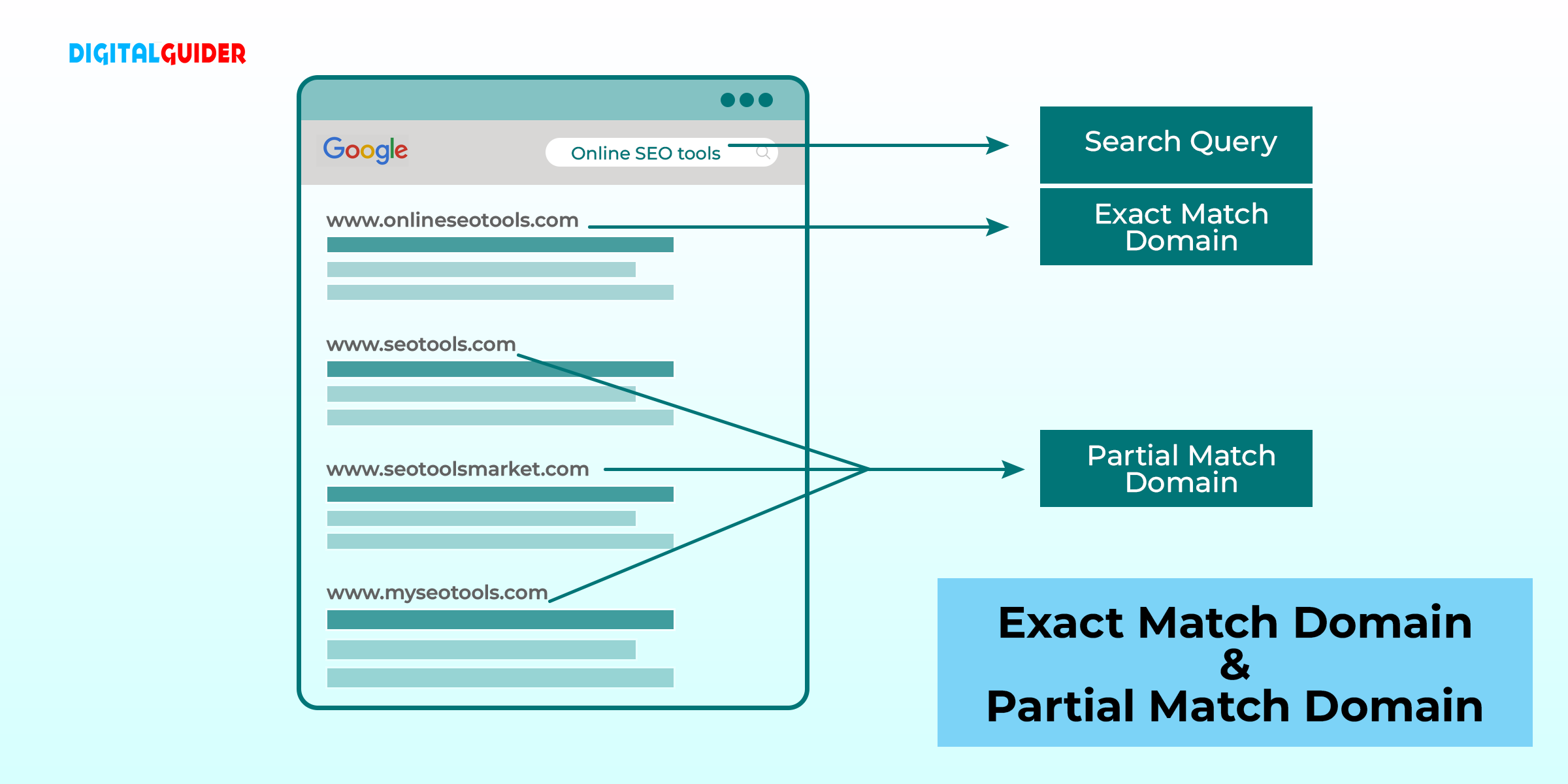
However, the landscape of search has undergone a profound transformation. Google's series of algorithmic updates, notably the EMD Update of 2012, began to systematically devalue these domains when they lacked substantive, high-quality content. This shift marked a pivotal moment, signaling a move towards a more nuanced understanding of relevance and authority. Modern search algorithms, powered by advanced machine learning, prioritize user intent, content depth, brand recognition, and a myriad of other sophisticated signals. A domain name, no matter how perfectly keyword-aligned, can no longer compensate for a poor user experience, shallow content, or a lack of genuine brand presence. The emphasis has irrevocably moved from mere keyword stuffing to delivering authentic value.
While the once-guaranteed advantages of EMDs have largely evaporated, their influence isn't entirely nonexistent. In highly niche markets with less aggressive competition, an EMD might still offer a slight psychological edge, both for users and potentially in extremely localized search queries. A user searching for a specific product or service might instinctively trust a domain that directly reflects their query, leading to a marginally higher click-through rate. Furthermore, an EMD can contribute to a perception of immediate relevance. However, this marginal benefit is contingent upon the domain being part of a broader, well-executed SEO strategy that includes authoritative backlinks, technical optimization, and, most critically, consistently valuable and engaging content. To rely solely on an EMD today is to fundamentally misunderstand the current demands of search engines.

Ultimately, the pursuit of digital visibility in the current environment demands a strategic departure from the simplistic EMD-focused tactics of yesteryear. Forward-thinking brands and digital strategists now understand that true SEO success is built on foundations of genuine authority, exceptional user experience, and compelling narratives. A memorable, brandable domain name, even if it doesn't precisely mirror a top keyword, offers far greater long-term value. It fosters trust, encourages repeat visits, and builds equity that no keyword-stuffed URL ever could. The lesson is clear: invest in a comprehensive, content-driven approach that resonates with both human audiences and sophisticated algorithms, making the domain name a vehicle for branding rather than a primary ranking lever.