

For decades, the sound of a musician's work gracing the airwaves was the ultimate benchmark of success, often accompanied by a steady stream of royalties. Today, the landscape of music consumption has dramatically shifted, with streaming platforms becoming the dominant force in how we discover and enjoy music. Yet, beneath the veneer of instant access and global reach, a quiet but profound disparity persists: how artists are compensated, and whether the digital revolution has truly served their economic interests. The question of whether radio or streaming offers a more lucrative path for musicians is not just a matter of curiosity; it's a critical examination of the very infrastructure supporting our cultural soundtrack.
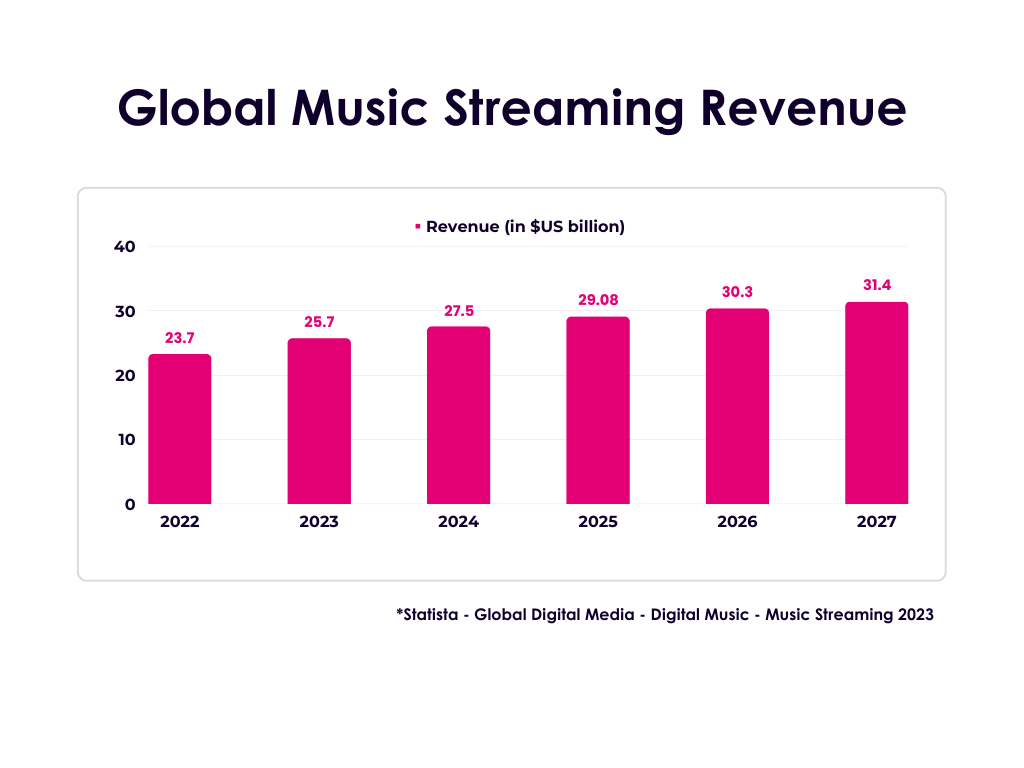
The economics of streaming are often described in terms of micro-pennies. While platforms like Spotify proudly announce multi-billion dollar payouts to rights holders annually, these astronomical figures are distributed across countless artists, labels, and publishers. The average per-stream royalty rate for an artist can fluctuate wildly, often ranging from a mere $0.003 to $0.005. To put this into perspective, an artist would need to accumulate hundreds of thousands, if not millions, of streams just to earn a modest income. This model prioritizes volume over individual play value, rewarding artists who can consistently generate massive listenership, but leaving many emerging and niche artists struggling to make ends meet. The convenience and low subscription costs for consumers have inadvertently created an ecosystem where the art itself is devalued at the point of creation.

Contrast this with the traditional model of radio. When a song is played on a terrestrial radio station, it generates performance royalties. These royalties are collected by performing rights organizations (PROs) like ASCAP, BMI, and SESAC in the United States, and then distributed to songwriters, composers, and publishers. While the exact rates vary, a single radio spin, especially on a major station, can often yield a significantly higher payout than an equivalent number of streams. Radio's compensation model, while perhaps reaching a smaller, more localized audience than global streaming, tends to value each individual play more substantially. This difference highlights a fundamental tension: the broad accessibility and data-driven reach of streaming versus the curated, quality-focused (and historically better compensated) exposure of radio.
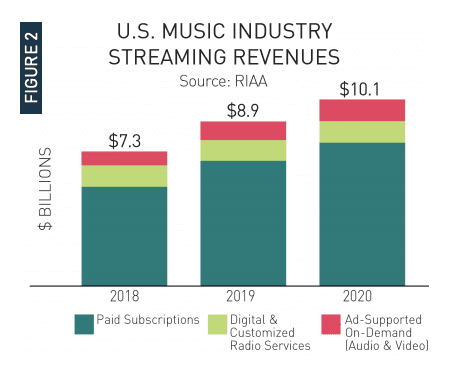
The reality for most artists today is a complex tapestry of revenue streams, where neither radio nor streaming provides a standalone panacea for financial stability. While streaming offers unparalleled global distribution and the potential for viral breakout moments, its low per-stream payouts necessitate supplementary income from touring, merchandise, sync licensing, and direct fan engagement. Radio, though perhaps less impactful for breaking new artists on a global scale, continues to be a vital source of performance royalties and cultural validation for established acts. Ultimately, the question isn't solely about which platform pays more, but about the sustainable models that will allow artists to thrive in an ever-evolving digital landscape, demanding a holistic approach to career management and a persistent push for more equitable compensation structures across all platforms.