

In the annals of human innovation, few creations have reshaped society with the profound impact of the World Wide Web. While often conflated with the internet itself, the Web is a distinct, brilliant layer built upon existing network infrastructure. Its genesis traces back to a singular vision, brought to life by a British physicist and computer scientist working within the hallowed halls of a European research institution. This is the story of how Tim Berners-Lee, driven by a simple yet radical idea, conceived and constructed the framework for universal information access, forever altering the course of communication, commerce, and culture.

The late 1980s at CERN (the European Organization for Nuclear Research) were a hive of intellectual activity, yet information was fragmented. Scientists across various departments and continents struggled to share research, data, and documents efficiently. This siloed existence sparked an idea in Berners-Lee: a global system where information could be linked and accessed seamlessly, regardless of its physical location or the type of computer storing it. In March 1989, he penned a proposal titled "Information Management: A Proposal," outlining a decentralized system for managing and sharing information via hypertext. His supervisor, Mike Sendall, famously deemed it "vague but exciting."
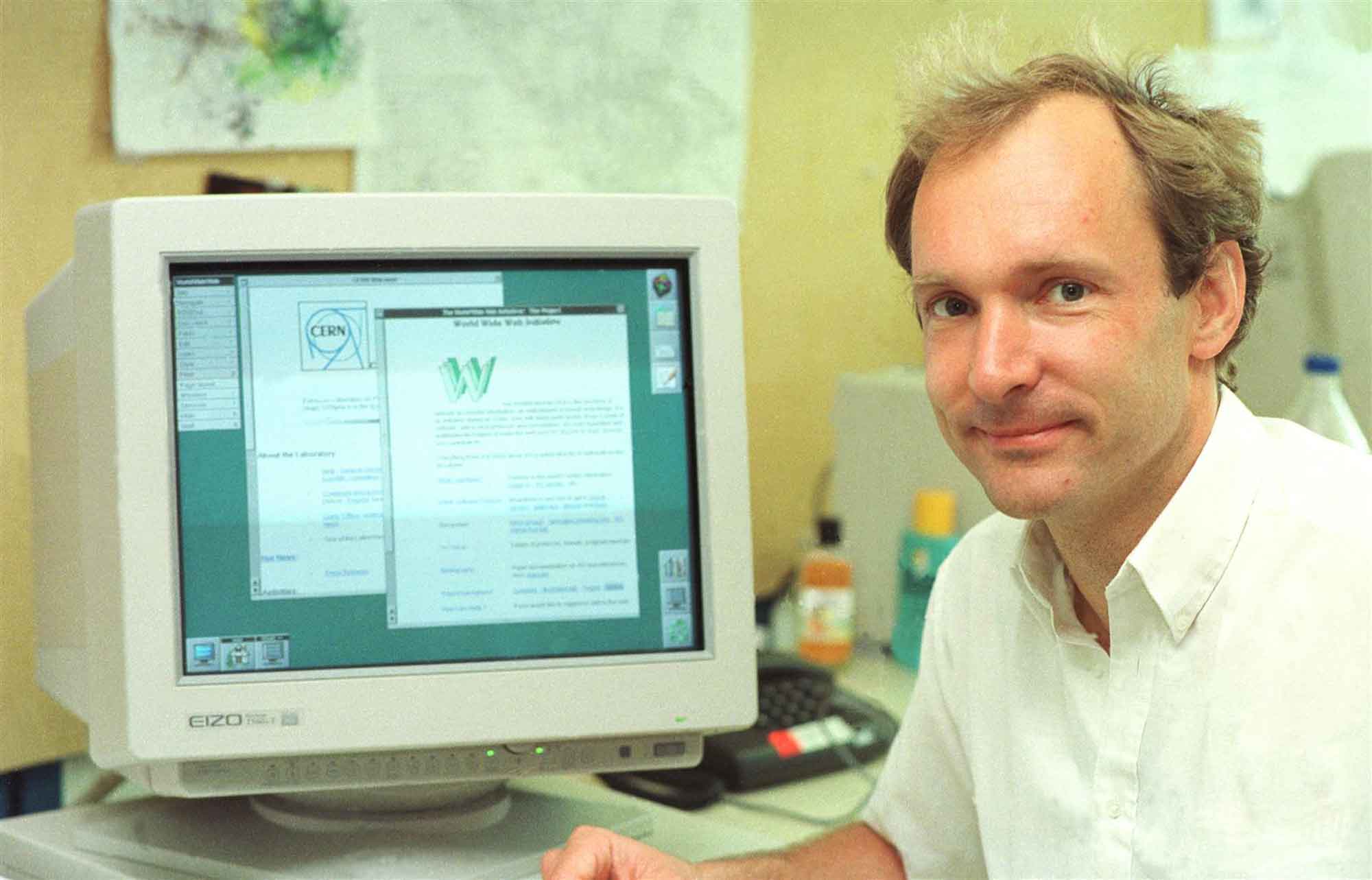
Berners-Lee's vision was audacious. He didn't just propose a theoretical framework; he set out to build it. By the end of 1990, he had developed the core components that would become the World Wide Web: the first web browser (called "WorldWideWeb"), the first web server, and the fundamental addressing scheme known as Uniform Resource Locators (URLs). Crucially, he also created HTML (HyperText Markup Language) for structuring web pages and HTTP (Hypertext Transfer Protocol) for transferring them. This holistic approach, from underlying protocols to user-facing applications, demonstrated an extraordinary grasp of the entire system required for his concept to flourish.
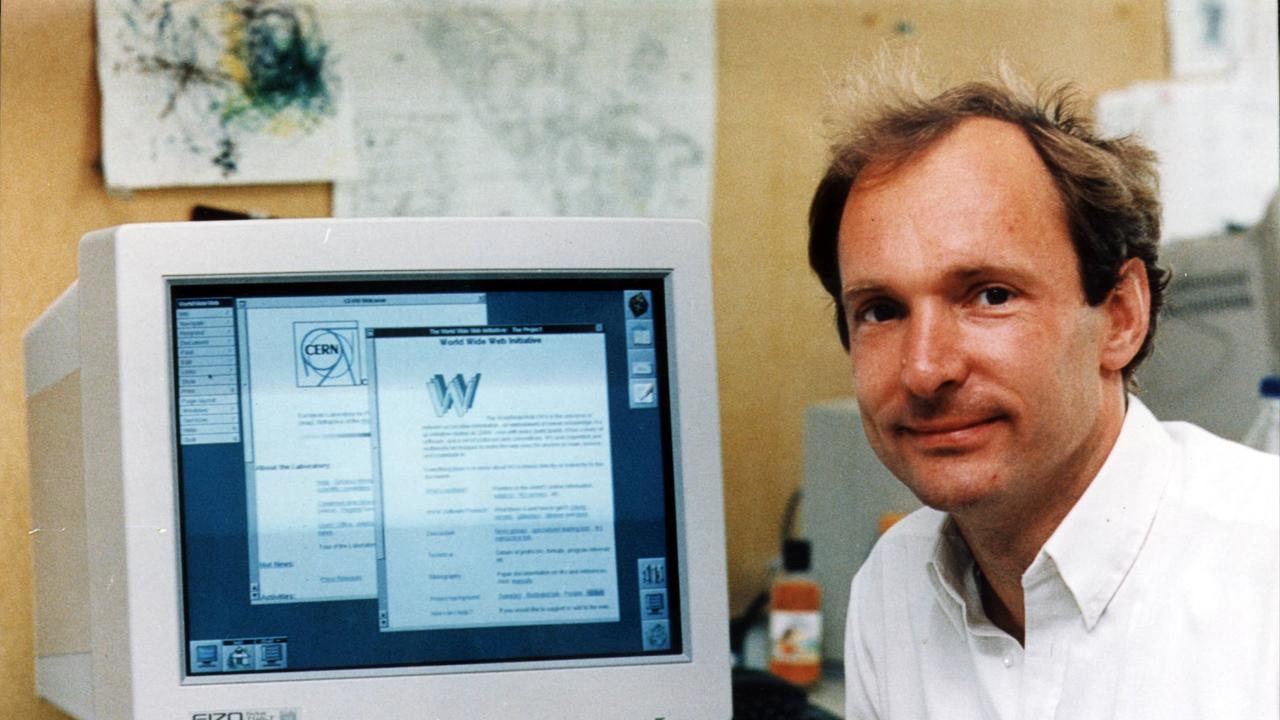
What truly set Berners-Lee's invention apart, and ensured its explosive growth, was his unwavering commitment to an open and non-proprietary system. He could have chosen to commercialize his creation, potentially becoming one of the wealthiest individuals in history. Instead, he made the fundamental technologies of the Web—HTML, HTTP, and URLs—available royalty-free, fostering an environment of collaborative development and widespread adoption. This act of profound generosity ensured that the World Wide Web became a public good, an engine of global connection rather than a private enterprise. In 1994, he left CERN to found the World Wide Web Consortium (W3C) at MIT, an organization dedicated to developing open standards for the Web, ensuring its continued evolution and accessibility for all.