

Project 2025: A Vision for Executive Power
Project 2025, officially known as the Presidential Transition Project, represents an ambitious and comprehensive endeavor spearheaded by the Heritage Foundation and a coalition of conservative organizations. Its core objective is to prepare a detailed roadmap for a potential future Republican administration, particularly one led by Donald Trump. The project's proponents envision a radical restructuring of the executive branch, aiming to consolidate presidential power and streamline policy implementation according to a conservative agenda. This initiative extends beyond mere policy suggestions, delving into personnel recommendations, legal strategies, and a foundational ideological framework designed to reshape the federal bureaucracy.
Trump's Ambivalent Embrace: Distancing and Alignment
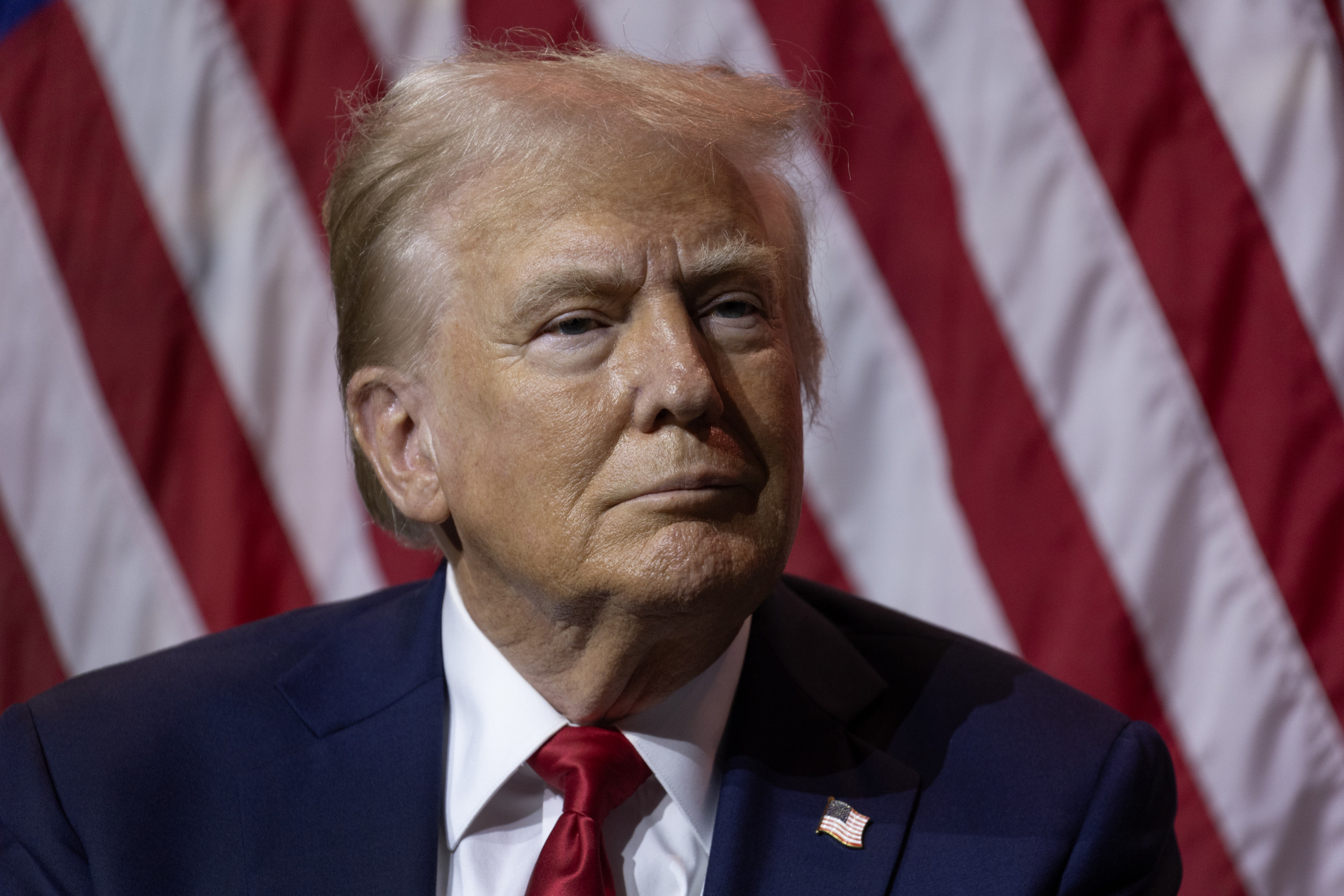
The former president's public stance on Project 2025 has been characterized by a degree of ambiguity. While he has not issued a blanket endorsement, and his campaign has occasionally distanced itself from specific, more controversial elements within the project, the underlying principles and many policy directions resonate strongly with his stated goals. During his previous term, executive orders and administrative actions often mirrored the type of assertive presidential authority advocated by Project 2025. Furthermore, his 'Agenda47' campaign manifesto outlines policy priorities that frequently align with the blueprint's recommendations, particularly concerning deregulation, immigration enforcement, and the composition of the judiciary.

Policy Convergence: Immigration, Civil Liberties, and Governance
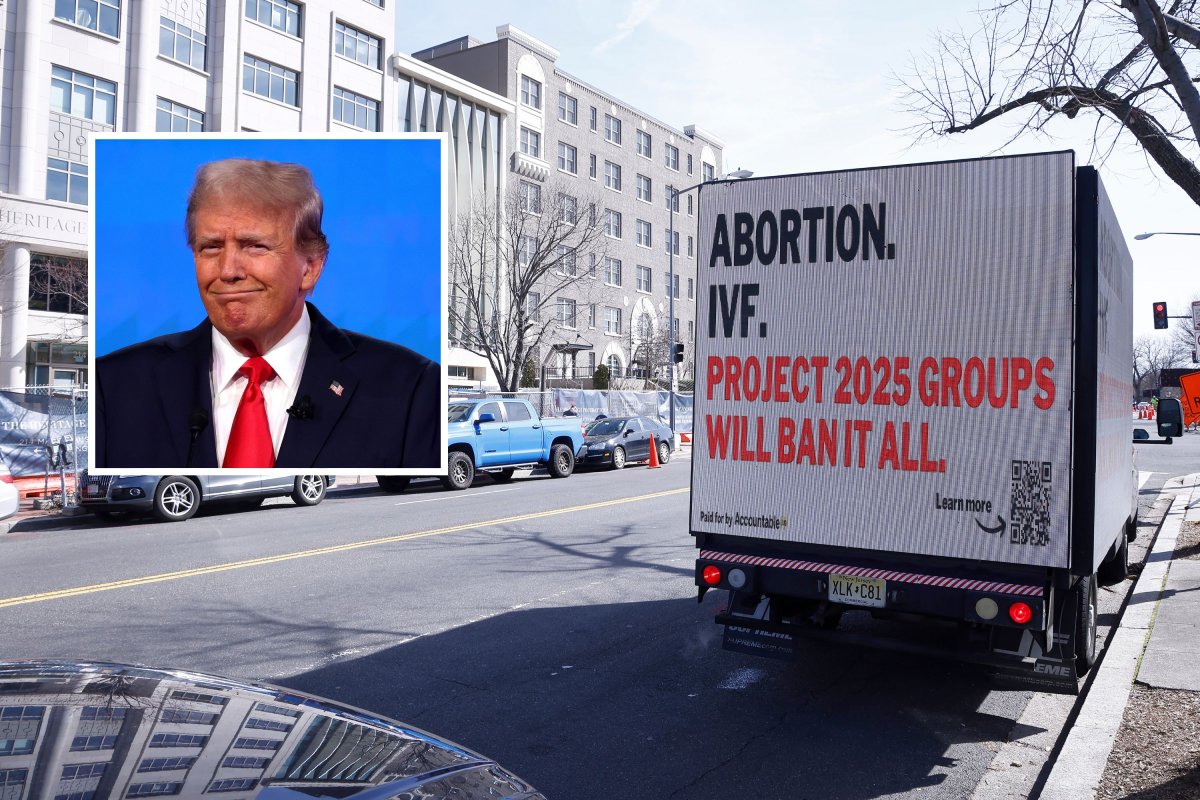
Among the manifold proposals within Project 2025 are significant shifts in immigration policy, aiming for stricter border controls and increased deportations. The project also advocates for substantial deregulation across various sectors and a more assertive role for the executive in shaping cultural and social policy. These areas often find echo in Trump's public pronouncements and past actions. Critics, including organizations like the American Civil Liberties Union (ACLU), have raised serious concerns regarding the potential impact of Project 2025's proposals on civil rights and liberties, suggesting a future administration guided by this blueprint could challenge established norms of governance and individual freedoms.
The Road Ahead: A Blueprint's Influence
Regardless of whether Donald Trump explicitly champions Project 2025, its existence and the meticulous planning it represents underscore a strategic effort to prepare for a potential return to power with a clear administrative and policy direction. The project serves as a significant touchstone for conservative aspirations, offering a detailed framework that could profoundly influence a future Republican presidency. Its proposals, encompassing everything from staffing federal agencies with ideologically aligned personnel to overhahauling regulatory processes, present a vision of government that prioritizes executive authority and a swift implementation of a conservative platform. The ongoing discourse surrounding Project 2025 highlights the enduring influence of organized political thought on the American political landscape.