
Google's Veo 3 represents a significant leap forward in the realm of artificial intelligence, specifically in the domain of video content creation. Unveiled at Google I/O 2025, this sophisticated model moves beyond mere visual generation, integrating native audio capabilities to offer a more immersive and comprehensive storytelling tool. It is designed to transform textual descriptions or even single images into dynamic, moving scenes complete with contextual soundscapes, promising to redefine how digital narratives are conceived and produced.

At its core, Veo 3 leverages advanced algorithms to address some of the most persistent challenges in AI video generation. Unlike its predecessors, which often focused solely on visual fidelity, Veo 3 prioritizes a holistic output, pairing audio directly with the visual context of the generated content. This nuanced integration allows for a higher degree of realism and emotional resonance. Filmmakers and content creators can expect enhanced control over elements such as character consistency across different shots and modular scene manipulation through its "Ingredients" feature, enabling precise adjustments and refinements that were previously arduous or impossible.

The practical implications of Veo 3 are far-reaching, poised to impact various sectors from advertising and media production to social media content creation. Its ability to generate spec ads, short-form narratives, or intricate visual sequences with accompanying audio from a simple prompt democratizes high-quality video production. For instance, businesses can rapidly prototype marketing campaigns, while independent creators can bring ambitious projects to life without the extensive resources typically required. Platforms like fal.ai and Leonardo.Ai are already integrating Veo 3, providing broader access to its transformative capabilities and signaling a shift towards more accessible, yet powerful, creative tools.
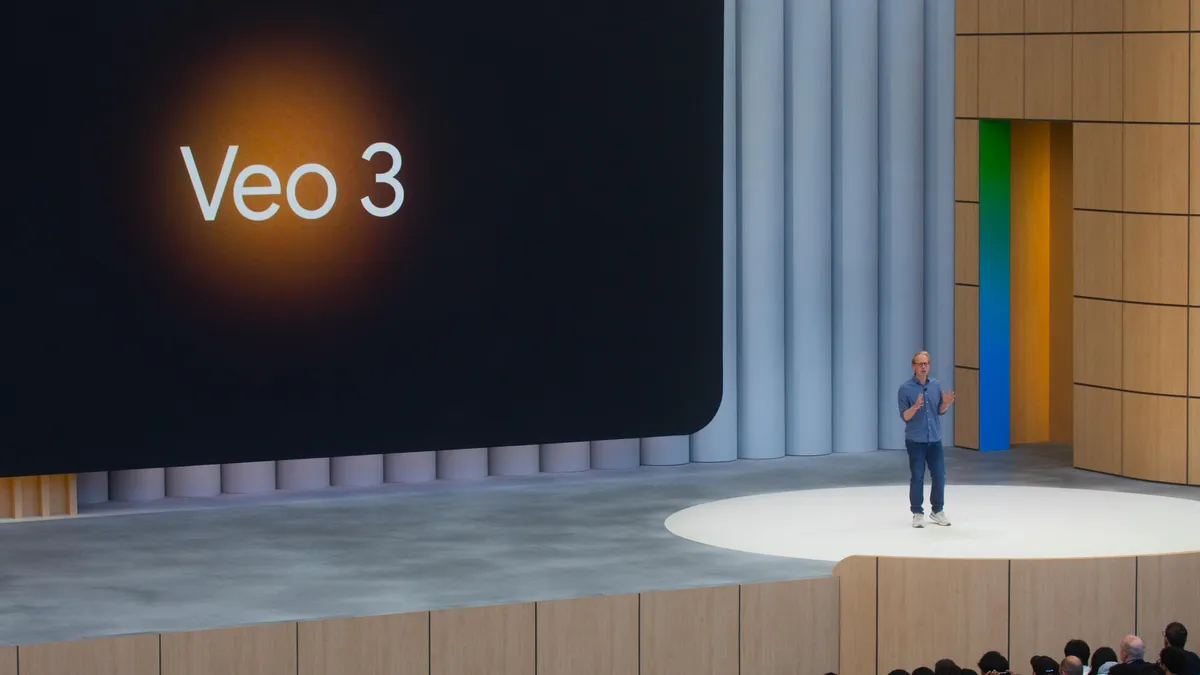
Veo 3’s introduction marks an important juncture, moving artificial intelligence from a supplementary tool to a foundational element in creative processes. By empowering users to generate complex visual and auditory experiences with unprecedented ease and quality, Google is not just offering a new product; it is shaping the future landscape of digital storytelling. The model's emphasis on intricate detail and contextual understanding suggests a trajectory where the only true limit to cinematic creation will be the human imagination itself, prompting a re-evaluation of traditional production pipelines and fostering a new era of innovation.