

The question of footwear often arises for athletes who dabble in multiple sports: can a basketball shoe truly stand in for its tennis counterpart? It’s a compelling inquiry, particularly given the perceived similarities in athletic demands. Both sports necessitate explosive movements, swift changes in direction, and significant court coverage. However, a closer examination reveals crucial distinctions in shoe design, distinctions that fundamentally impact performance, safety, and comfort when stepping onto the tennis court.

The Engineering of a Basketball Shoe
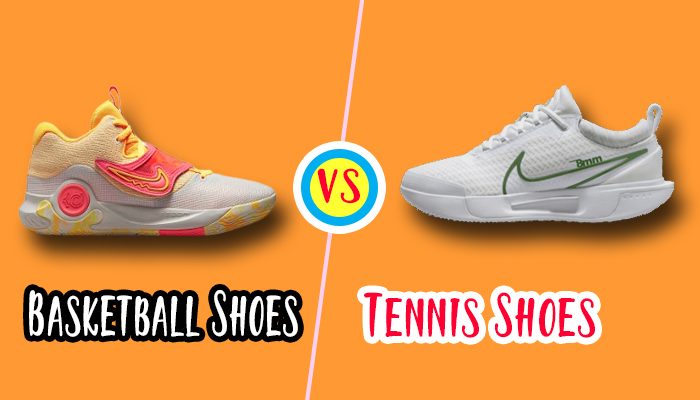
Basketball shoes are meticulously engineered to meet the unique demands of the hardwood. Their primary focus is on verticality and cushioning to absorb the impact of jumping and landing. High-top and mid-top designs are common, offering robust ankle support to prevent twists and sprains during powerful leaps and quick pivots. The outsoles typically feature intricate patterns, often radial or herringbone, designed for maximum grip on indoor courts, facilitating rapid acceleration and stopping. The cushioning systems, often voluminous, are geared towards reducing stress on joints during repetitive impact from vertical movements. While these features are exemplary for a basketball player, their utility translates differently when confronted with the lateral intensity of a tennis match.
The Precision of a Tennis Shoe
Tennis shoes, by contrast, are a masterclass in lateral support and durability. A tennis player's movements are overwhelmingly side-to-side, involving aggressive slides, sudden stops, and explosive pushes off the baseline. Consequently, tennis shoes feature reinforced sides, often with durable overlays, to prevent the foot from rolling over during sharp directional changes. The outsoles are built for resilience, made from tough rubber compounds that can withstand the abrasive nature of various court surfaces—hard, clay, or grass. Different court types even necessitate specific tread patterns: clay courts require herringbone patterns to prevent clay buildup, while hard courts demand more durable, all-court patterns. Cushioning in tennis shoes is strategically placed to absorb impact from quick, repeated sprints and lunges, often with a lower profile to enhance court feel and stability.
Why the Distinction Matters on the Court
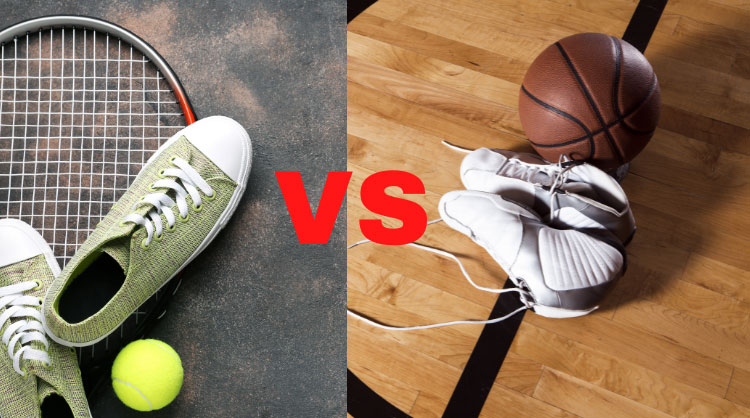
The fundamental divergence in design means that while a basketball shoe might offer adequate comfort, it often falls short in critical areas for tennis. The elevated cushioning and ankle support, beneficial for jumping, can sometimes hinder court feel and lateral stability in tennis, making a player feel less grounded during quick transitions. Furthermore, the outsole of a basketball shoe is simply not built for the constant, aggressive lateral sliding and pivoting on a tennis court. This can lead to premature wear, reduced traction, and an increased risk of injury, particularly ankle sprains, due to insufficient lateral bracing. For optimal performance, injury prevention, and the longevity of your footwear, investing in sport-specific shoes remains the most prudent choice. The subtleties in design are not arbitrary; they are the result of specialized engineering to enhance an athlete's unique biomechanical needs on their respective playing surfaces.